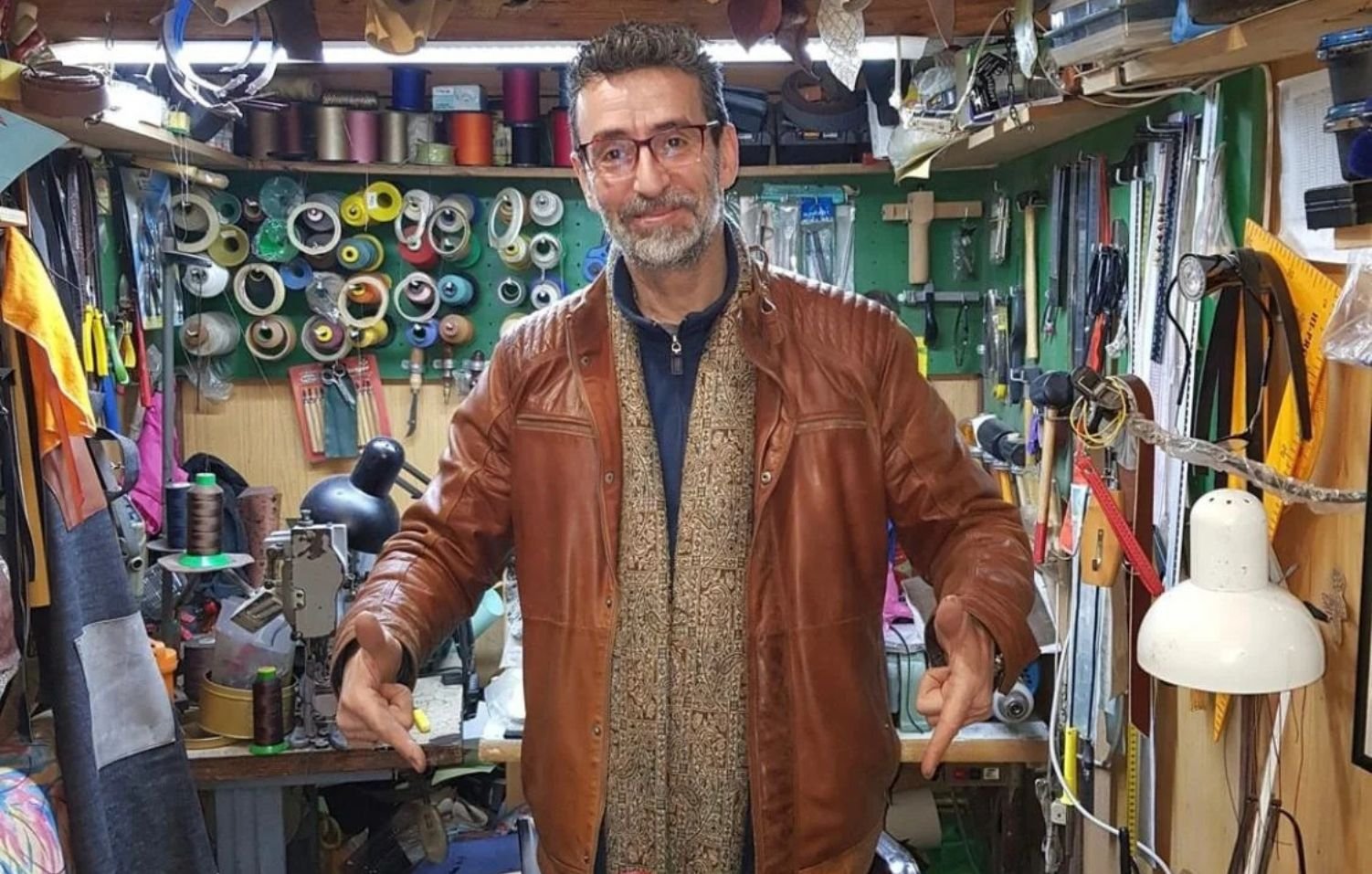
At Flydigito , our leather bags are handcrafted in Fes by artisans using techniques passed down over generations . From selecting the hides to the stitch , each step reflects leather craftsmanship .
This section explains how our bags are made, helping you understand the process behind each piece and what goes into creating it.
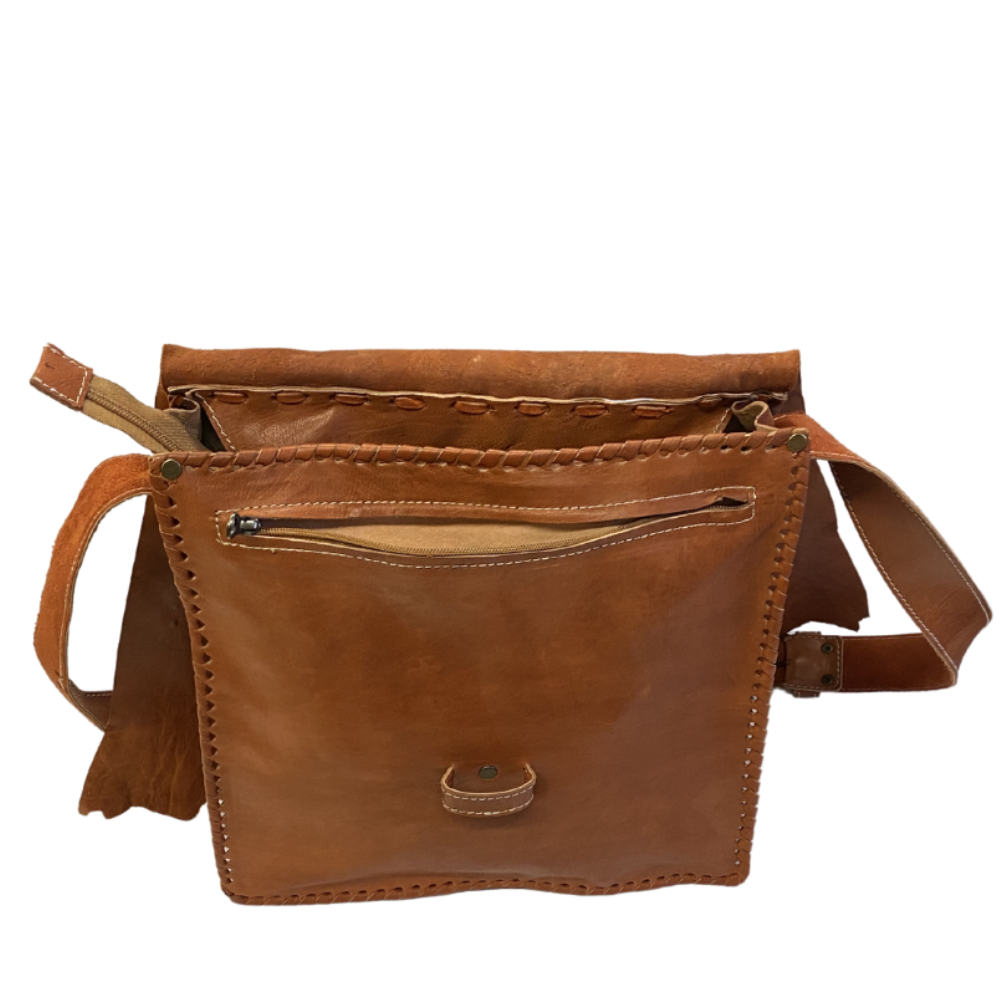
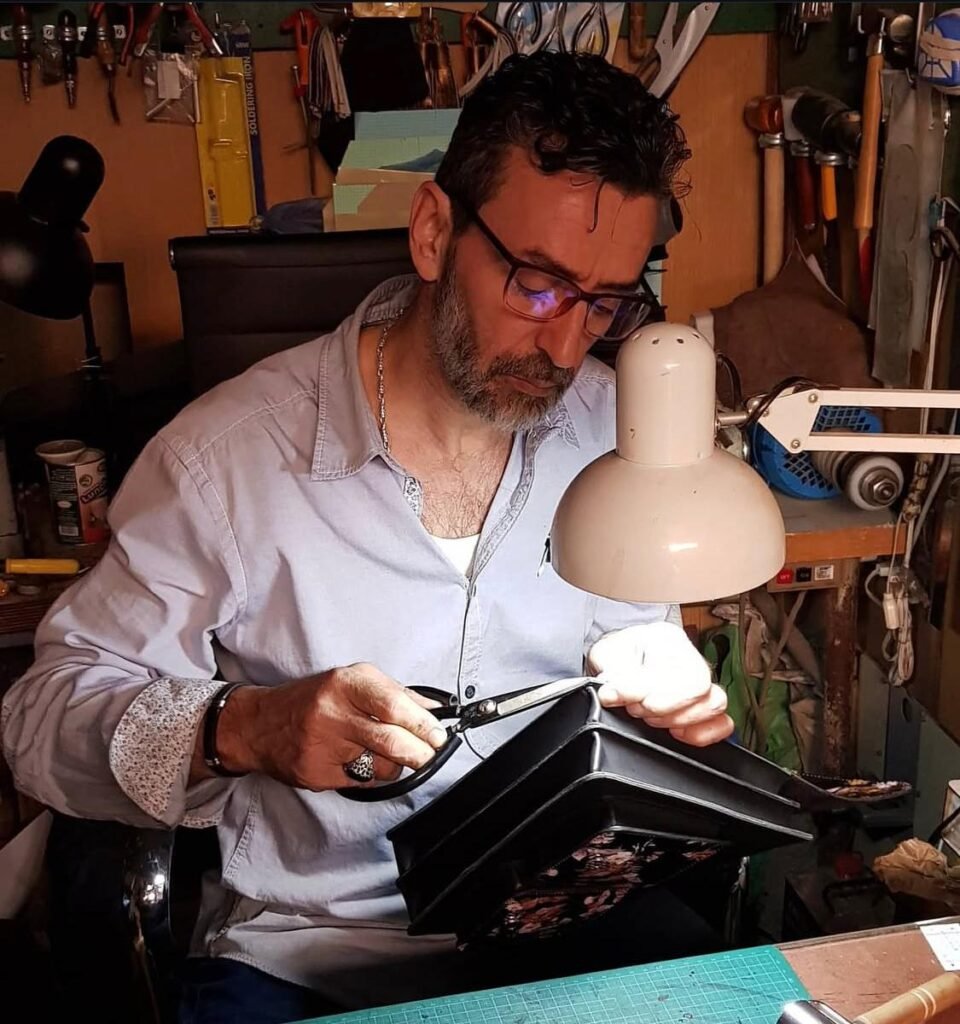
The production of leather in Fes follows techniques that have been handed down through generations . The process is labor-intensive , requiring skill and patience :
Animal hides are sourced from butchers and markets . The hides arrive in their state , covered in blood , hair , and fat .
The hides are soaked in water to remove impurities . They are placed in vats containing a mixture of water and quicklime to loosen the hair and soften the hides .
The tanning process uses materials , such as pigeon droppings , which contain ammonia to soften the leather , and bark from mimosa or acacia trees for coloring . This step is crucial in ensuring the flexibility and durability of the leather .
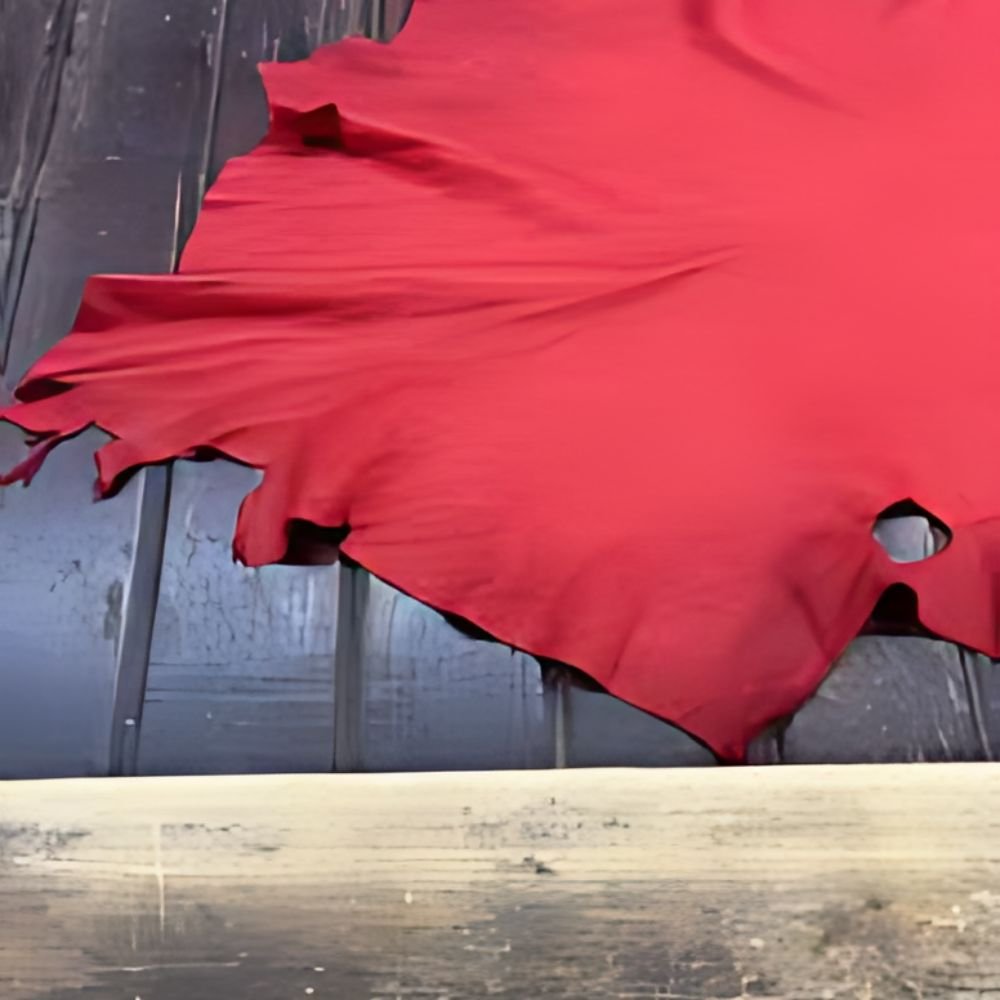
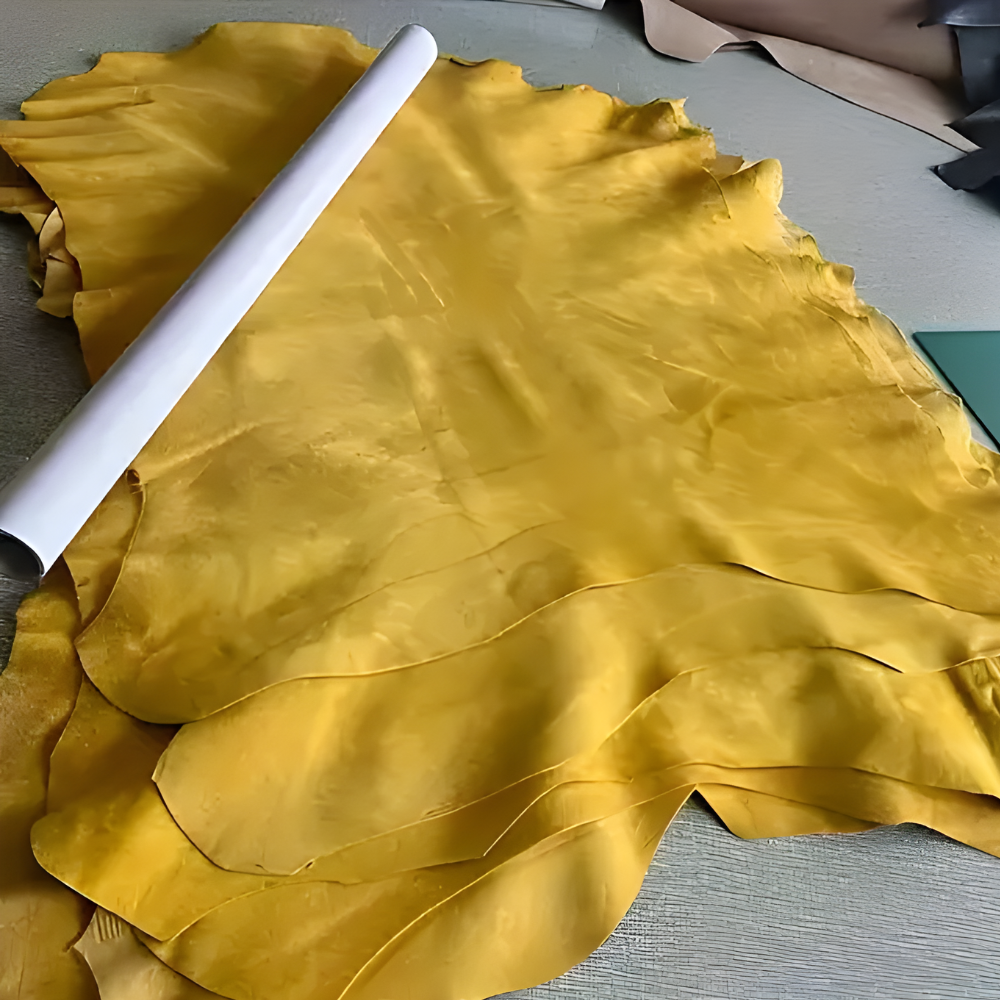
Artisans use dyes to color the leather . Colors include:
Red : Derived from poppy flowers .
Yellow : From saffron or turmeric .
Green : Made using mint or plant-based dyes .
Black : Created from antimony or charcoal .
Once dyed, the leather is stretched and left to dry in the sun . Artisans polish and finish the leather , preparing it for crafting into products .
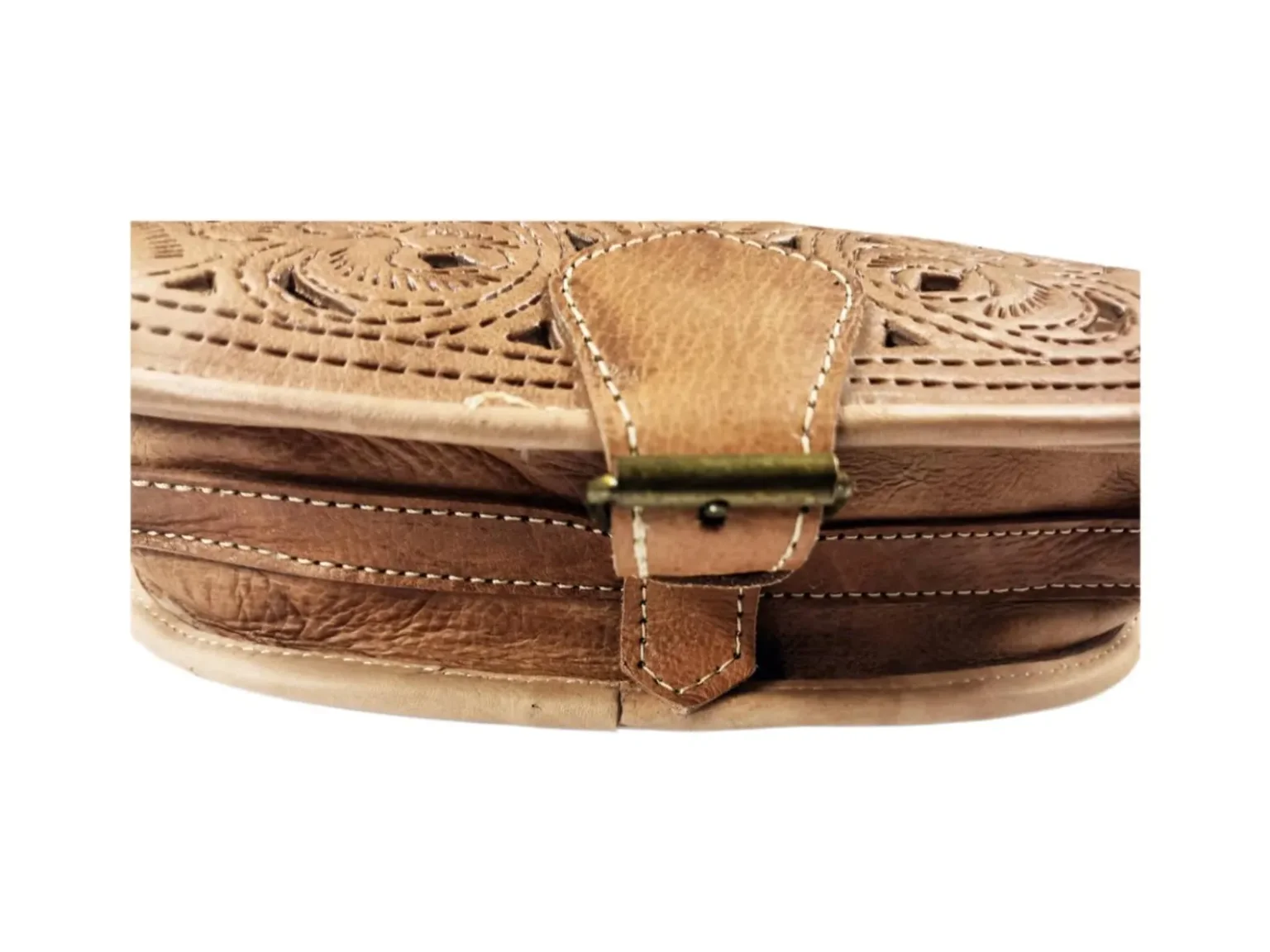
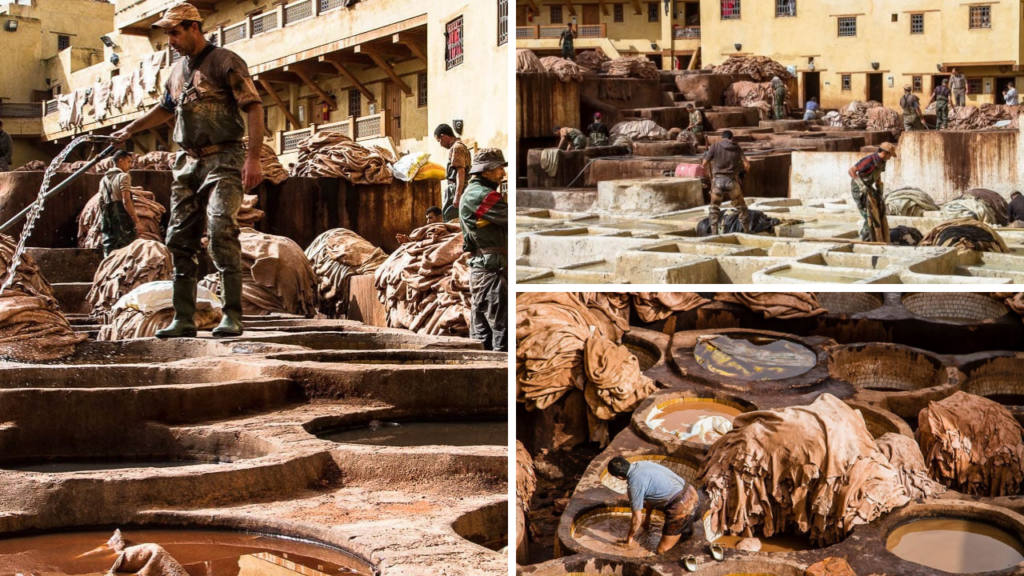
The Chouara Tannery , located in the heart of the Medina , is the tannery in Morocco and one of the oldest in the world , dating back to the 11th century . It is an experience , with its vats arranged like a palette .
Methods : The tannery employs techniques unchanged for centuries , offering a glimpse into the history of Morocco .
Materials : The use of dyes and materials ensures the production of leather .
Significance : The tannery is a site and a part of the Medina , drawing visitors from around the globe .
Visitors to the tannery are taken to terraces for a view of the vats , where artisans work in a process .
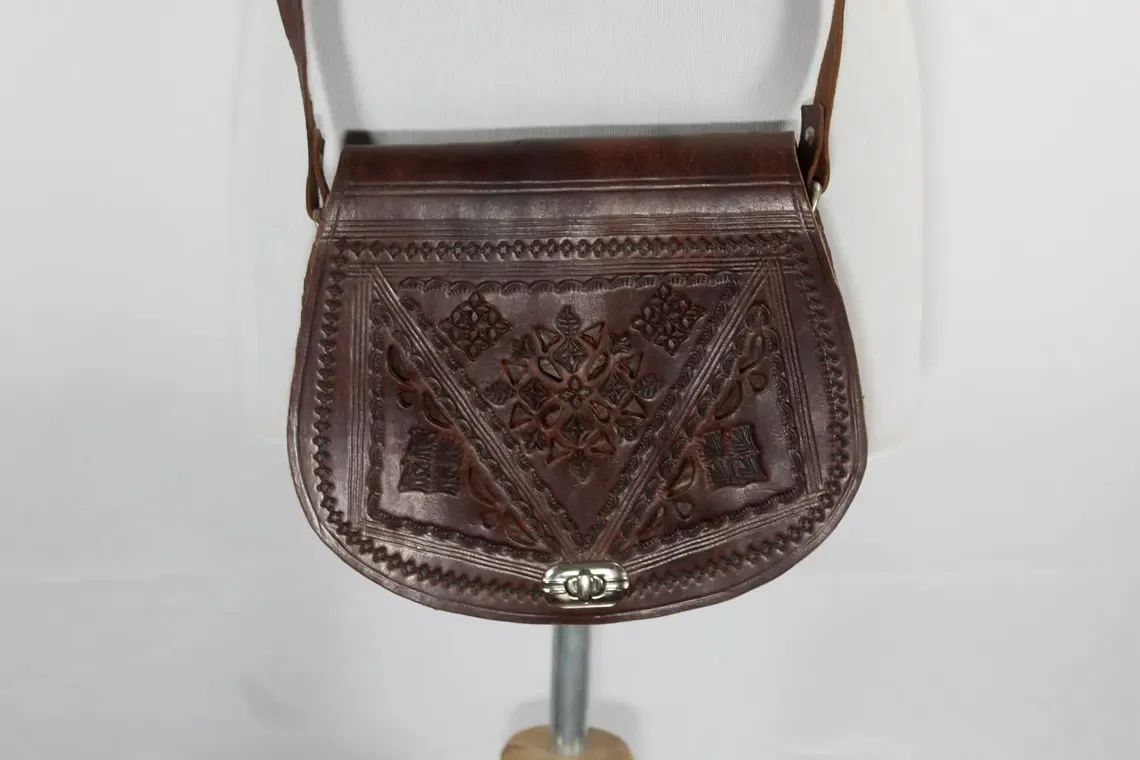
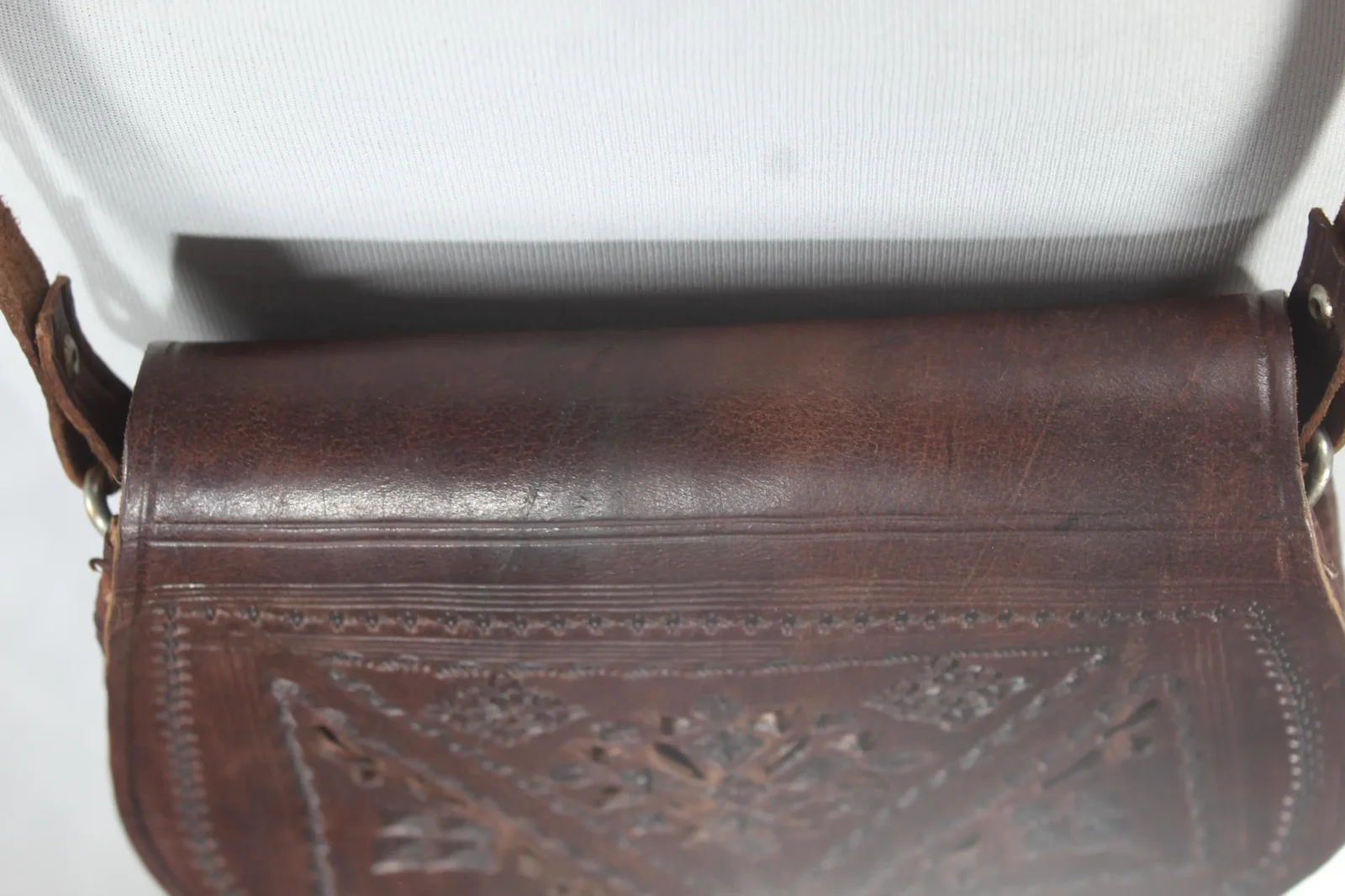
Leather is prepared using methods practiced for centuries . Unlike leather from factories , this process relies on resources and is done by hand .
The steps include:
Soaking and Cleaning : Hides are soaked in water , lime , and salt to remove impurities , fat , and hair .
Softening : Agents , such as pigeon droppings , make the leather flexible.
Dyeing : Dyes give the leather its color — poppy for red , mint for green , indigo for blue , henna for orange , and pomegranate with oil for yellow .
Foot Trampling : Artisans trample the hides to achieve softness and texture .
Drying : The hides are left to dry in the sun .
This process produces leather for crafting into Flydigito bags .
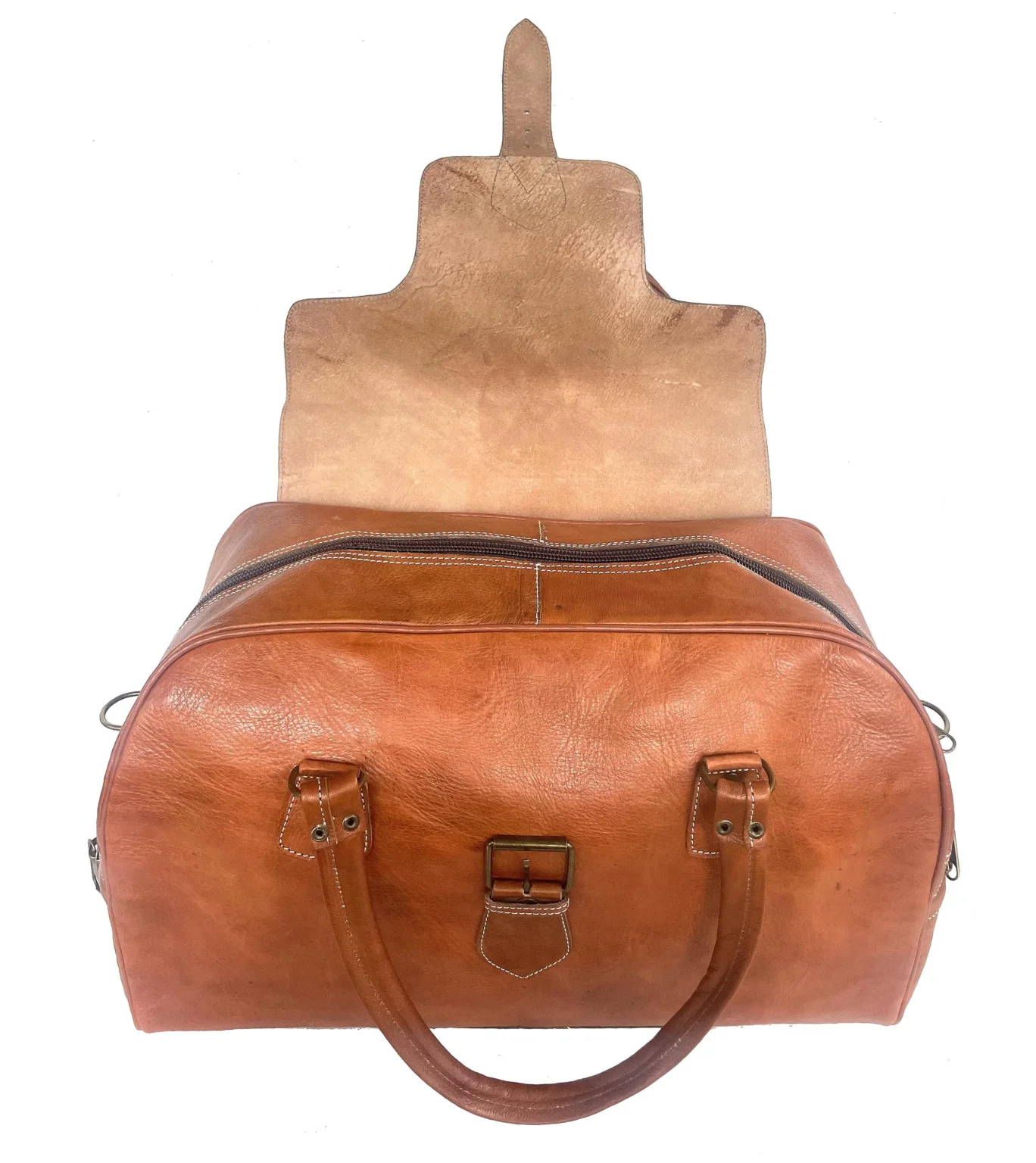
Fes leather comes in types , each crafted from animal hides and tailored for uses :
Known for its softness and quality , goat leather is used for clothing , bags , and Moroccan slippers called babouches .
Sheepskin is used to make garments , bookbindings , and items .
Cowhide is used for making belts , shoes , and furniture .
Camel leather is celebrated for its toughness and is used for wallets , bags , and accessories . .
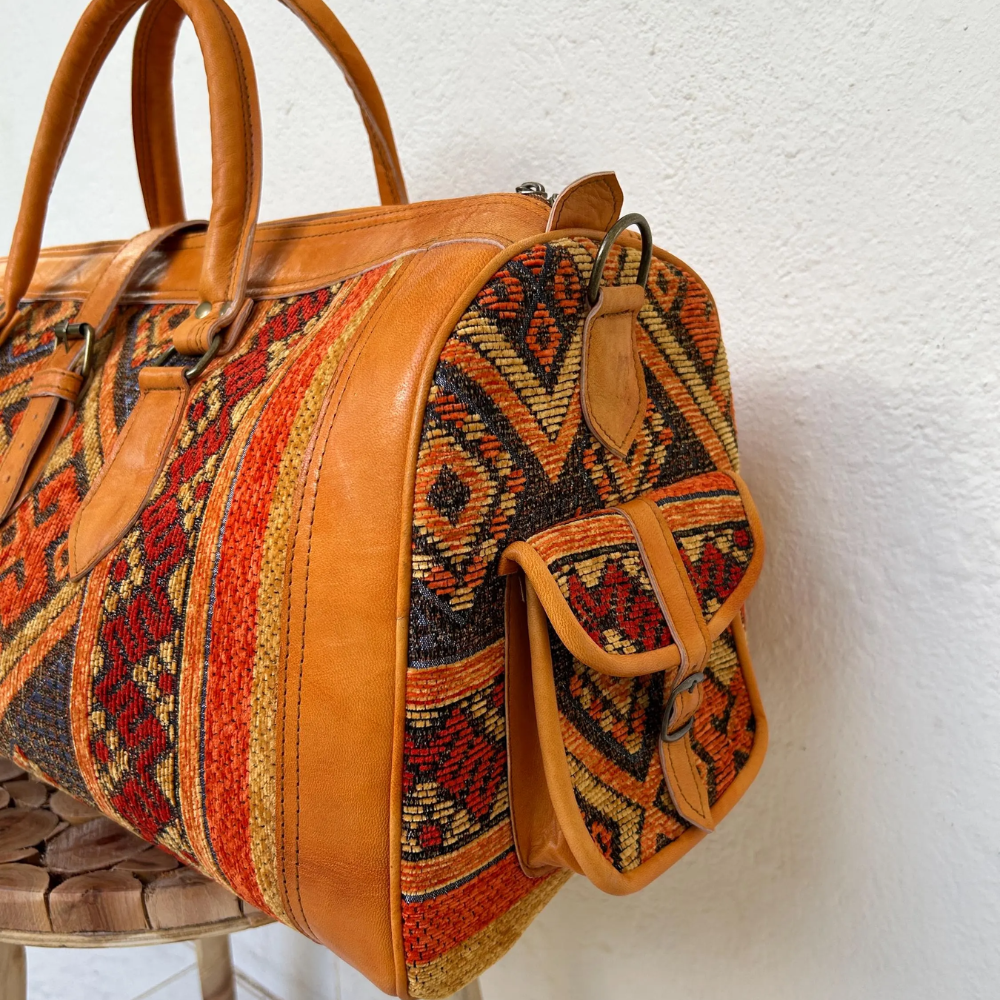
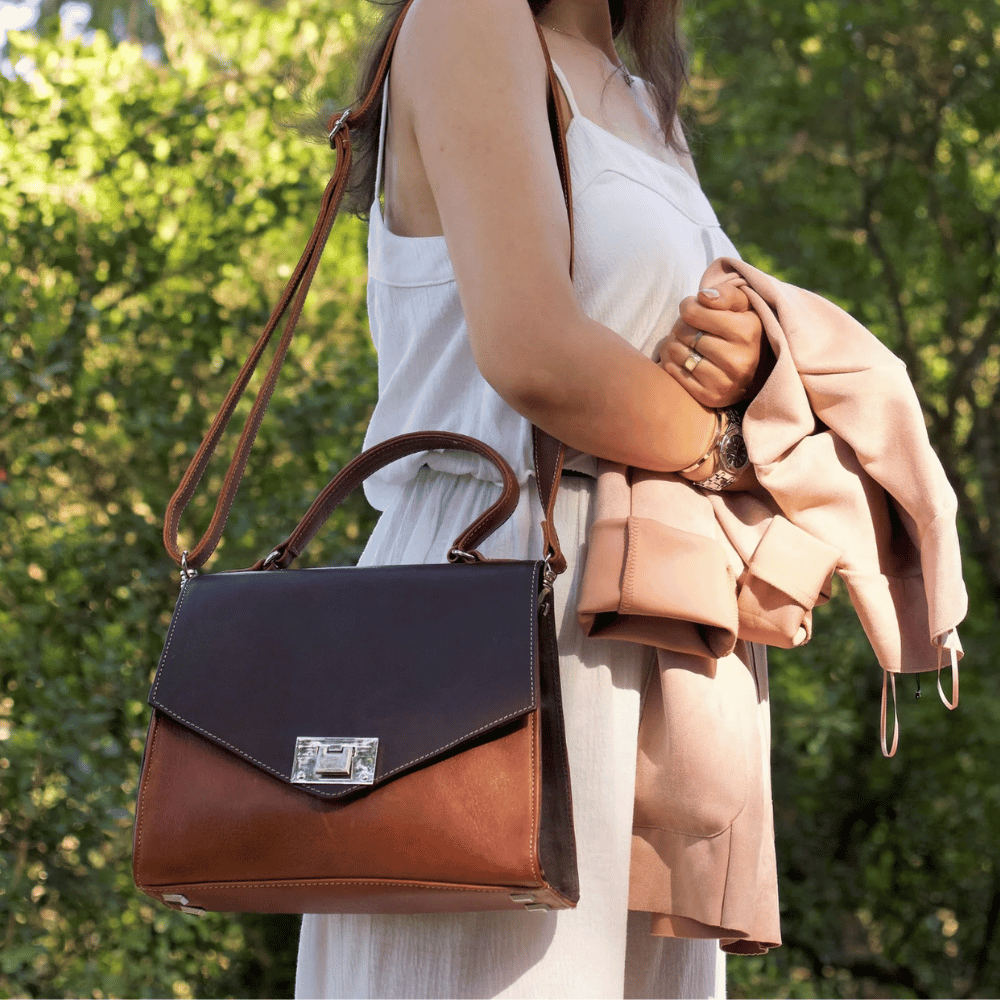
Once the leather is ready , artisans begin the work of transforming hides into bags . Each piece is cut by hand to match patterns that have been used for generations .
The process involves several steps :
Assembly : Artisans align the sections of leather , ensuring the grain and texture match.
Stitching : Using needles and thread , the seams are joined by hand . This method ensures strength and durability .
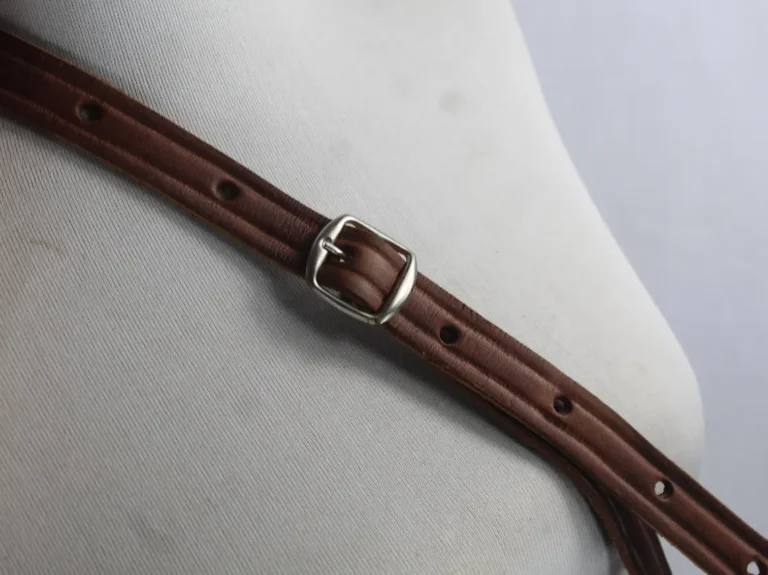
Hardware : Buckles , zippers , and studs are added to provide function to the design .
Detailing : Edges are smoothed and surfaces are given a polish to highlight the character of the material .
This stage represents the union of tradition and utility , resulting in a product that carries the story of its creation .
Flydigito
Lotissement Marouane 1, Avenue Moulay Rachid, Magasin, N6 Rte de Sefrou, Fes 30000, Morocco
Registered business in Fes, Morocco. Registration documents available on request.
Email: contact@flydigito.com
Phone: +212 7 87 48 39 31
Support hours: Monday to Friday, 9:00 AM to 6:00 PM (GMT)
Live chat available on this site during support hours.
All items are handmade in our workshop in Fes, Morocco, and dispatched from Fes.
We ship to the United Kingdom only. Prices are shown in GBP.
Secure checkout over SSL. Cards (Visa, Mastercard, American Express, Discover, UnionPay, JCB), PayPal, Apple Pay and Google Pay. Payment policy
30-day returns by mail. Return and refund policy
Flydigito is an independent Moroccan leather workshop. Every product sold on this website is made by us in Fes and photographed by us. We do not resell third-party stock.